

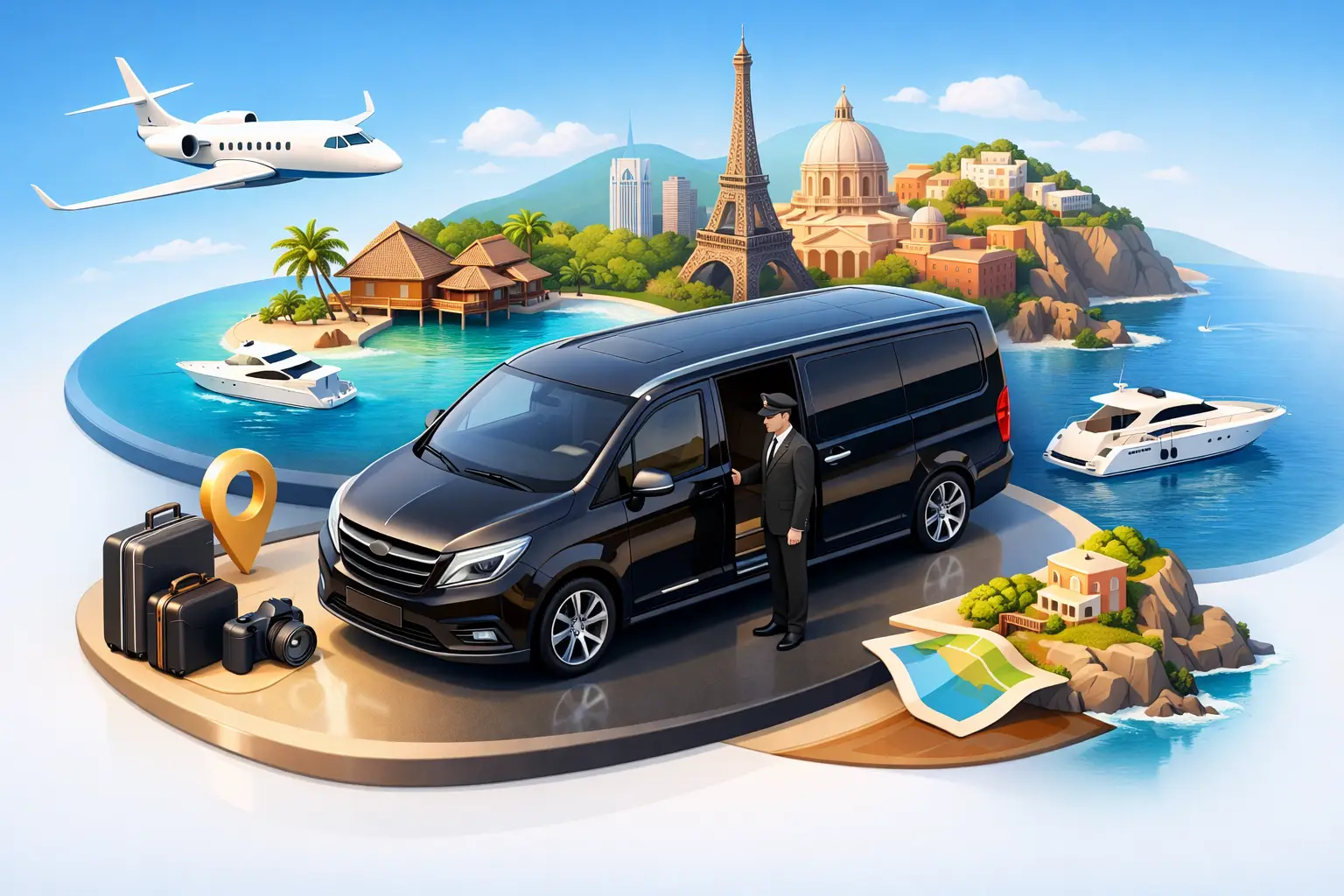
A guide to luxury sightseeing transfers is not simply about moving between famous places in a premium vehicle. It is about protecting the quality of the day itself. When the route includes mountain roads, hotel check-ins, restaurant reservations, photo stops, and a limited window of clear weather, the difference lies in having a chauffeur who manages the details without making the experience feel managed.
For international guests, executives traveling with family, and private groups with high expectations, Switzerland rewards thoughtful planning. A journey from Zurich to Interlaken, Bern to Gstaad, or Geneva to Montreux can be a transfer, a scenic experience, or both. The right format depends on how much time you have, what matters most to your party, and whether the day needs to remain flexible.
What a Guide to Luxury Sightseeing Transfers Should Deliver
A first-class sightseeing transfer begins with an itinerary that has room to breathe. Travelers often make the mistake of treating a scenic drive as a list of landmarks to complete. That approach can leave little time for the parts of Switzerland that are most memorable: an unhurried view across Lake Thun, a short walk through Lauterbrunnen, a quiet lunch above the valley, or a pause when the light over the Alps is at its best.
A professional chauffeur service builds the day around your actual priorities. Some guests want the most direct route with two purposeful stops. Others want to leave the schedule open, following the weather, the season, or an unexpected recommendation from their hotel concierge. Both are possible, but they require a clear discussion before departure.
The vehicle matters as well. A luxury sedan is an excellent choice for one or two guests who value privacy, a composed ride, and discreet arrival at a hotel or restaurant. A luxury van is often more practical for families, groups, or travelers carrying substantial luggage. More space is particularly valuable after an overnight flight or when winter clothing, ski equipment, and shopping bags are part of the journey.
Start With the Journey, Not the Destination
A sightseeing transfer works best when the route has a purpose beyond getting from point A to point B. Consider a guest arriving in Zurich who is continuing to Interlaken. The direct route may suit a business traveler with a fixed afternoon commitment. For leisure guests, however, a carefully planned route through the Bernese Oberland can create a far more rewarding first impression of the country.
The same applies to a journey between Geneva and the mountain resorts. A stop along the Lavaux vineyards or in Montreux may be worthwhile for guests with time to enjoy the lakefront. For a party heading to Gstaad for a private event, discretion and punctuality may take precedence over additional stops. Luxury is not always about adding more. Often, it means making the right choices for the occasion.
When discussing the itinerary, share the non-negotiables first. These may include a hotel check-in time, a lunch reservation, a meeting, a museum visit, or a train departure. A skilled chauffeur can then advise where flexibility exists and which stops can be comfortably included without creating a rushed day.
Plan for the Swiss Pace of Travel
Distances in Switzerland can look modest on a map, yet travel times vary significantly. Mountain roads, weather conditions, seasonal traffic, roadworks, and popular destinations all affect the day. A route that appears straightforward can become slower around holiday periods or during peak ski season.
This is why an itinerary should not be built to the minute. Allow time to collect luggage, settle into the vehicle, take photographs, use facilities, and enjoy a meal without watching the clock. Guests traveling from the United States should also consider jet lag. On the first day, a refined scenic transfer with measured stops is usually more enjoyable than an overly ambitious full-day program.
The Chauffeur Is Part of the Experience
A premium vehicle creates comfort. A professional chauffeur creates confidence. For sightseeing transfers, that distinction is especially important because the day is rarely limited to a single pickup and drop-off.
The chauffeur should be punctual, discreet, impeccably presented, and comfortable working with international guests. Multilingual capability is valuable when reservations, hotel teams, local venues, or travel companions speak different languages. Equally important is situational awareness: knowing when to offer assistance, when to adjust the route, and when to give guests the privacy to enjoy the ride.
A chauffeur is not expected to replace a specialist mountain guide or an art historian. If your trip centers on a detailed cultural or outdoor program, a dedicated guide may be the better addition. But for elegant point-to-point sightseeing, a knowledgeable chauffeur provides a practical local perspective while keeping the day organized and comfortable.
Choose Stops That Suit Your Group
The best stops are not always the most photographed ones. A couple celebrating an anniversary may prefer a quiet lakeside terrace and a scenic hotel arrival. A family may value an easy viewpoint, accessible facilities, and enough room for children to move comfortably. Corporate guests may need a setting where a confidential call can take place between appointments.
Consider the physical pace of your group as well. Alpine destinations can involve uneven ground, altitude changes, and walking distances that are easy to underestimate. Guests with limited mobility should communicate this in advance so that the itinerary, vehicle access, and selected stops can be planned appropriately.
Weather also deserves respect. Low clouds can hide a celebrated panorama, while a clearer valley or lakeside route may offer a much better experience that day. A luxury sightseeing transfer should have alternatives built into it. Flexibility is not a lack of planning. It is what makes planning useful in the Alps.
Details to Confirm Before Departure
A strong itinerary is supported by precise operational information. Provide flight details if airport collection is involved, along with the number of passengers, luggage requirements, preferred vehicle type, hotel addresses, and any scheduled reservations. If traveling with children, pets, formalwear, valuable equipment, or mobility needs, mention these early.
It is also wise to clarify the desired level of contact during the day. Some guests appreciate route suggestions and regular updates. Others prefer a quiet, private journey with the chauffeur handling logistics in the background. There is no single correct preference, but stating it clearly leads to a more personal service.
For corporate guests and event organizers, consistency is essential. The same standards should apply whether arranging a single executive transfer, a roadshow across several cities, or transport for VIP guests attending a conference. Confirmed pickup details, professional coordination, and a reliable point of contact matter more than elaborate promises.
When a Sightseeing Transfer Is Better Than a Tour
A conventional tour is ideal when the main purpose is education, group activities, or visiting a fixed sequence of attractions. A luxury sightseeing transfer is better when travel itself must fit around your plans. It offers privacy, direct hotel-to-hotel convenience, room for luggage, and the ability to adjust the day without coordinating with a larger group.
This format is particularly effective for arrivals and departures. Rather than treating the day between destinations as lost time, guests can use it to see a lake region, a mountain village, or a historic city at a comfortable pace. The result is an itinerary that feels more considered, especially on shorter Swiss stays.
Berner Limousine approaches these journeys with the standards expected of a premium chauffeur service: polished Mercedes-Benz vehicles, professional chauffeurs, discreet support, and dependable coordination from early planning through final arrival.
Make the Arrival Feel as Considered as the Drive
A sightseeing transfer should end well. That means arriving with enough time to check in, refresh, and prepare for the evening rather than stepping out of the vehicle already behind schedule. If the destination is a resort, private residence, restaurant, or event venue, the final approach deserves the same attention as the scenic route.
The most successful travel days rarely feel overdesigned. They feel calm, well paced, and personal. Select the places that genuinely interest you, leave room for changing conditions, and let an experienced chauffeur take responsibility for the road while you remain present for the journey.