
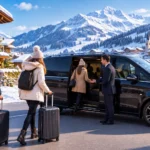
A winter meeting in Gstaad is rarely only a meeting. Guests may arrive from Geneva, Zurich, Bern, or a private airfield; a board dinner may follow a day on the slopes; and an investor discussion can depend on every person being in the right place at the right time. For Gstaad business events winter 2026/27, transportation is therefore not a final logistical detail. It is part of the event experience, the schedule, and the host’s reputation.
The destination offers an exceptional setting for executive retreats, client hospitality, incentive programs, private dinners, and high-level conferences. Its appeal also creates operational demands: winter road conditions, busy arrival windows, luggage-heavy guests, tight hotel access, and changing plans. A professional mobility concept brings calm to each of these moments.
What Makes Gstaad Business Events Different in Winter
Gstaad attracts international guests who expect a high standard without unnecessary spectacle. They value privacy, punctuality, and a service that works quietly in the background. That expectation extends from the first airport pickup to the final departure transfer.
Winter adds variables that deserve careful planning. Snowfall can affect driving times, ski equipment requires suitable luggage capacity, and guests may move between several hotels, restaurants, mountain venues, and private residences in one day. A schedule that looks comfortable on paper may become compressed once guests arrive at different terminals or a reception ends later than planned.
This is why organizers benefit from treating ground transportation as an operating plan rather than a sequence of individual rides. The right partner anticipates the route, monitors the event flow, maintains communication with the responsible contact, and provides chauffeurs who understand how to work around a premium destination with discretion.
Transportation Planning for Gstaad Business Events Winter 2026/27
The strongest plans begin with the guest journey. Before confirming vehicles, clarify where guests are arriving, how much luggage they bring, whether they travel with assistants or security personnel, and where they need to be at specific times. These details determine whether a refined sedan, a spacious luxury van, or a coordinated multi-vehicle solution is appropriate.
Start With Arrival Windows, Not Meeting Times
A conference agenda may begin at 10:00 a.m., but the mobility plan starts much earlier. International guests can arrive at different times, flights may be delayed, and transfer durations vary significantly depending on the point of arrival and winter conditions. Grouping all guests into one rigid pickup window may reduce administration, but it can also create unnecessary waiting time for senior attendees.
For executive groups, individual airport reception and direct transfers often provide the most reliable experience. For larger delegations, staggered transfers can balance efficiency with comfort. The right choice depends on the profile of the participants, the importance of the first impression, and how flexible the program needs to be.
Build Realistic Time Buffers
Winter schedules should include time for luggage collection, aircraft delays, road conditions, hotel check-in, and the occasional change of plan. A buffer is not wasted time when it protects a keynote address, a private dinner reservation, or a confidential meeting.
It is equally important to distinguish between a transfer and an on-call service. A transfer suits a clearly defined route and schedule. Hourly chauffeur service is often the better solution when a principal guest has multiple appointments, when timings are sensitive, or when plans may shift during the day. The vehicle remains available, and the chauffeur can adapt without requiring a new dispatch decision for every change.
Match the Vehicle to the Guest Experience
Vehicle selection should support the occasion. A luxury sedan is well suited to individual executives, VIP clients, and discreet airport arrivals. Premium vans offer more space for small teams, families, equipment, and luggage. For a delegation, a coordinated fleet creates consistency while allowing each guest group to travel according to its needs.
Capacity should not be assessed by passenger count alone. Winter coats, ski bags, presentation materials, and carry-on luggage all affect comfort. A vehicle that is technically large enough may not provide the arrival experience expected by a premium guest. Asking these questions early prevents last-minute compromises.
Discretion Is an Operational Standard
Business events in Gstaad often involve confidential conversations, prominent guests, and relationships that deserve careful handling. Discretion is expressed through conduct rather than theatrical promises. It means a chauffeur who is punctual without being intrusive, communicates clearly, assists with luggage appropriately, and respects privacy throughout the journey.
For organizers, one named contact and a defined communication process make a meaningful difference. Guest lists and travel details should be handled carefully. Changes should be reported through a clear channel. Chauffeurs should receive only the information required to perform their assignment professionally.
This discipline becomes especially valuable for executive retreats, family office gatherings, diplomatic visitors, and client programs. The guests may never comment on it directly, but they notice when transport feels composed and dependable.
Coordinating Complex Event Days
The most demanding event days usually involve more than airport transfers. A morning meeting may be followed by a site visit, lunch at a separate venue, an afternoon activity, and an evening dinner. If guests travel in several groups, every movement must align without making the day feel managed.
A dedicated transportation schedule helps organizers see the full picture: pickup locations, passenger assignments, vehicle types, route timing, standby periods, and the responsible event contact. It also helps identify where flexibility is required. A guest speaker may need a direct return to the hotel after a session, while the rest of the group continues to dinner. A late arrival may need to join an event already in progress.
For these situations, professional chauffeurs are not simply drivers. They are calm, experienced representatives at the point where the event meets the road. Multilingual communication can be particularly helpful for international attendees who need a clear answer, a smooth handover, or a discreet adjustment to the plan.
Weather Readiness Without Unnecessary Drama
Snow is part of Gstaad’s attraction, but it should never be left out of the mobility planning. A winter-ready transport provider considers road conditions, appropriate vehicles, local routing, and sensible departure times. Organizers should also avoid scheduling critical transfers with no margin before a flight, presentation, or dinner reservation.
That does not mean every journey requires excessive contingency measures. A direct hotel-to-venue transfer is usually straightforward when it is planned properly. The level of preparation should reflect the consequences of delay. A relaxed afternoon departure can allow more flexibility than a transfer carrying a keynote speaker or guests connecting to long-haul flights.
Event teams should also make arrangements for late-night movements. After a dinner or reception, guests should not need to navigate unfamiliar winter conditions or wait for uncertain availability. Prearranged chauffeur service provides a clear departure plan and lets hosts focus on their guests until the final farewell.
A Better Experience for Hosts, Hotels, and Guests
The quality of transportation influences more than the passenger in the vehicle. It affects hotel teams receiving arrivals, event managers coordinating room changes, assistants tracking executive schedules, and hosts welcoming clients. When transport is reliable, every team has more room to deliver its own part of the experience well.
For recurring corporate travel or multi-day events, a long-term chauffeur partner can simplify coordination further. Consistent service standards, familiar operating procedures, monthly billing options for business clients, and a single point of contact reduce administrative friction. Berner Limousine supports this type of event mobility with luxury vehicles, professional multilingual chauffeurs, and 24/7 availability for demanding schedules in and around Gstaad.
The practical value is simple: guests arrive settled, hosts remain present, and the event keeps its rhythm. That is particularly important when the program is designed to build trust rather than merely fill an agenda.
Questions to Settle Before Guests Arrive
Before finalizing transportation for a winter business event, confirm the arrival terminals, guest names and contact preferences, luggage requirements, hotel drop-off procedures, and final itinerary. Establish who can authorize changes on event day and how that person can be reached outside office hours.
Also decide which guests require individual attention. This may include keynote speakers, senior executives, VIP clients, elderly family members, or guests unfamiliar with the region. Personalizing transport for a small number of key attendees often has a larger impact than adding unnecessary complexity for everyone else.
A well-run Gstaad winter event should feel effortless to the people attending it. Careful chauffeur coordination is one of the quiet decisions that makes that possible, giving every guest a composed arrival, a comfortable journey, and a confident departure.